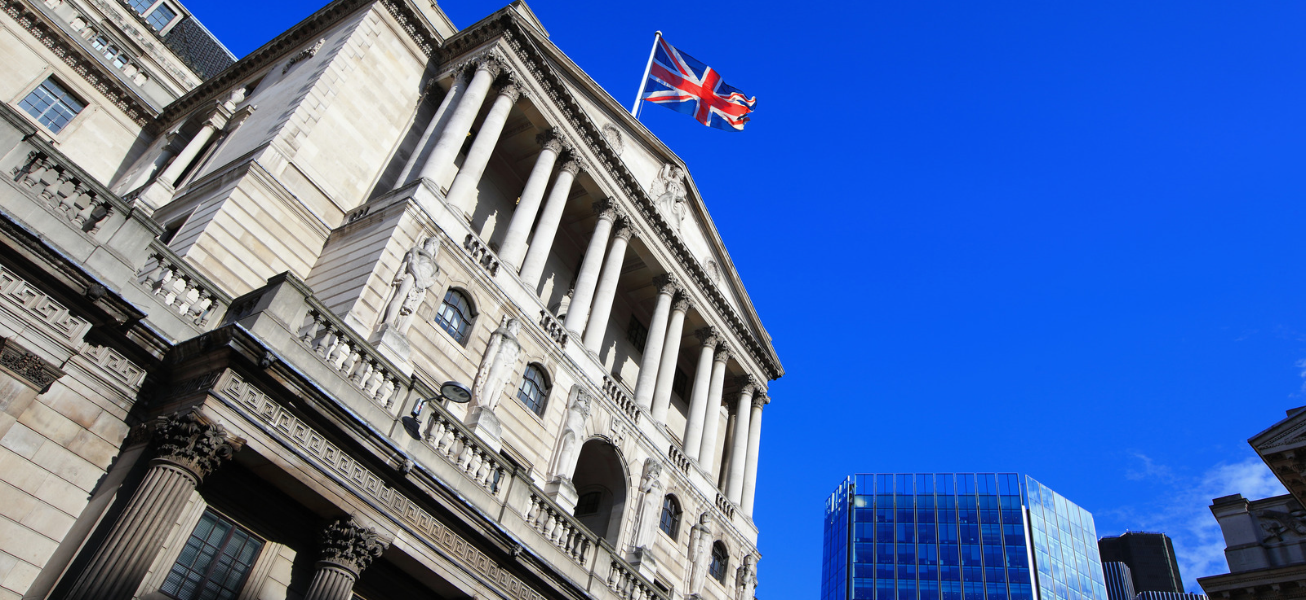
Bank of England Raises Interest Rates to 4%: What Does This Mean for Business Owners and the Self-Employed?
The Bank of England has announced an increase in the UK base interest rate from 3.75% to 4%, effective 5 November 2026. It's the first rise in over three years, introduced in response to growing inflation pressures, particularly rising energy costs.
But what does this mean for your business finances, savings, mortgage and tax obligations?
Here's what UK business owners and self-employed individuals need to know.
1. Higher borrowing costs for businesses
If your business relies on loans, overdrafts or other borrowing, higher interest rates could mean increased repayments.
Businesses with variable-rate borrowing may see costs rise sooner, while those on fixed-rate agreements may only be affected when their current deal ends.
What should you do? Review your existing borrowing arrangements and factor potential increases into your cash flow forecasts, particularly if you're planning to invest in equipment, vehicles or business expansion.
2. Could your business savings earn more interest?
There's potentially some good news for savers.
An increase in the Bank of England base rate may encourage banks to offer better interest rates on business and personal savings accounts, although this isn't guaranteed.
However, there are tax implications to consider:
- Sole traders: Interest earned on personal savings may be subject to Income Tax, depending on your total income and available savings allowances.
- Limited companies: Interest earned on company savings is generally included in taxable company profits and subject to Corporation Tax.
- Cash ISAs: Interest earned within a Cash ISA remains tax-free for individuals.
It's worth reviewing where you hold your savings and understanding how any additional interest could affect your tax position.
3. What happens to mortgages?
If you're self-employed or a company director with a mortgage, the latest rate increase could affect your household finances.
Those on tracker mortgages linked to the base rate are likely to see repayments increase, while variable-rate mortgage holders could also face higher costs.
Fixed-rate mortgage customers won't usually see an immediate change, but could face different rates when remortgaging.
For self-employed individuals, having accurate accounts, tax calculations and evidence of earnings is particularly important when applying for a mortgage or refinancing.
An accountant can help ensure your financial records are up to date and provide the documentation lenders may request.
4. Does an interest rate rise affect how much tax you pay?
The base rate increase doesn't directly change Income Tax, Corporation Tax or VAT rates. However, it can influence your tax position indirectly.
For example, higher business loan interest may increase allowable finance costs, potentially reducing taxable profits, subject to the relevant tax rules.
Meanwhile, increased savings interest could mean additional taxable income.
It's also worth remembering that HMRC's interest rates for late tax payments and repayments are linked to the Bank of England base rate. A rise could therefore increase the cost of paying tax late.
5. Why cash flow planning matters
With borrowing costs potentially rising alongside energy and operating expenses, keeping a close eye on cash flow is particularly important.
Understanding your monthly commitments, setting aside money for tax bills and reviewing business expenses can help you make informed decisions without unnecessary financial pressure.
Need help understanding how this affects your business?
At Blue Rocket Accounting, we help business owners and self-employed individuals understand their finances, plan for tax liabilities and make confident financial decisions.
Whether you're reviewing your business expenses, preparing accounts for a mortgage application or simply want to understand your financial position, our friendly team is here to help.
Have a question? Get in touch with Blue Rocket Accounting.
Call 01322 555442 or email happytohelp@bluerocketaccounting.com.
Disclaimer: This article provides general information based on the Bank of England's announcement on 5 November 2026 and does not constitute personalised financial or tax advice. Individual circumstances and tax treatment may vary.
You might also find these blogs useful...
Small Business Financial Health Check | Blue Rocket
What Is Factoring in Bookkeeping? A Simple Guide for Business Owners